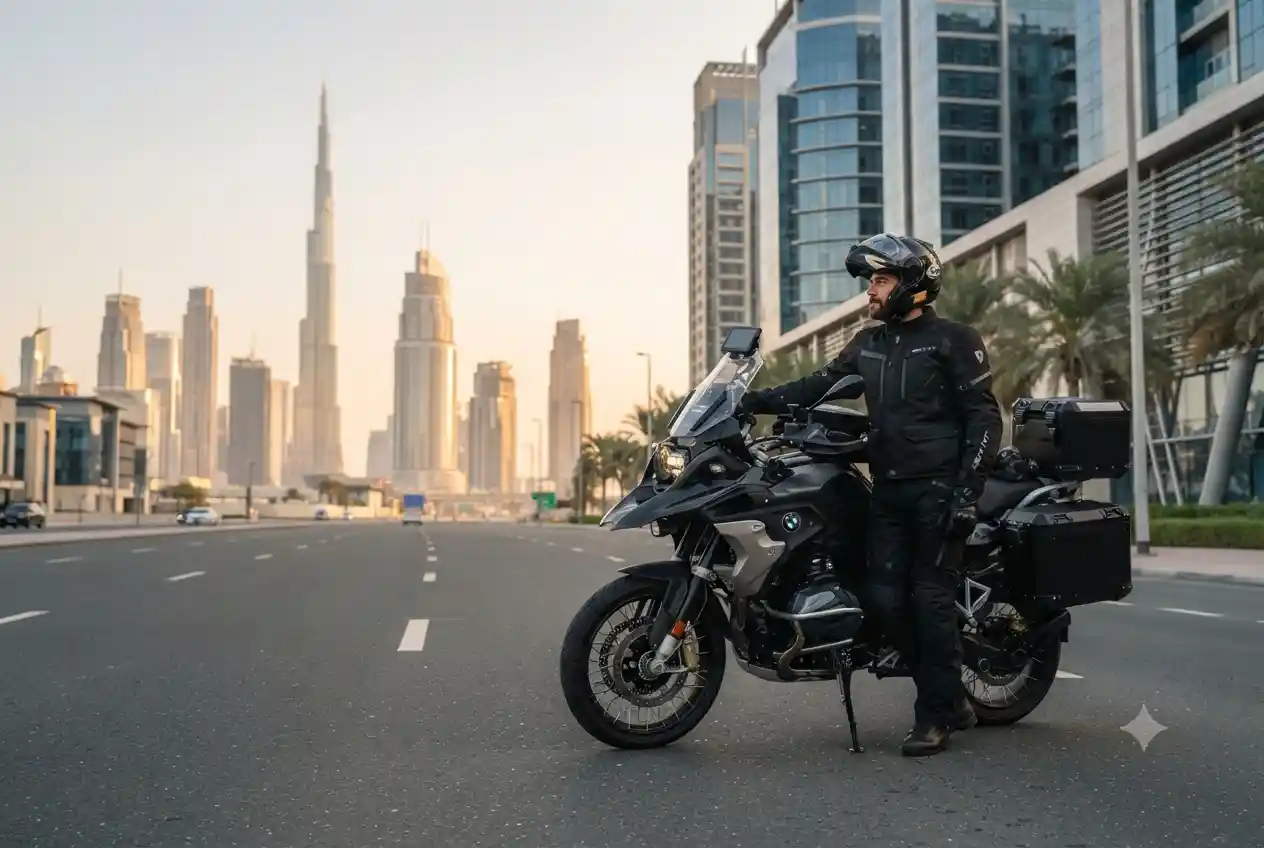
Bike insurance is an important consideration for motorcycle owners in the UAE, whether you ride a commuter bike, a high-performance motorcycle, or a two-wheeler used for business and delivery work. Insurance provides financial protection against specified risks and is also an essential part of keeping a motorcycle legally insured for road use.
Choosing the right policy is not simply about finding the cheapest premium. Riders need to understand the difference between third-party liability and comprehensive coverage, the risks included in the policy, applicable exclusions, deductibles, repair options, and any additional benefits. The right level of protection depends on the motorcycle, its value, how it is used, and the rider’s individual circumstances.
The UAE market includes motorcycle insurance options from insurers and insurance platforms offering different levels of protection. Comparing the policy wording rather than looking only at the advertised price can help riders make a more informed decision.
What Is Bike Insurance?
Bike insurance is an insurance contract that provides financial protection for a motorcycle against the risks specified in the policy. Depending on the type of cover selected, the policy may protect the rider against third-party liability, accidental damage to the motorcycle, theft, fire, and other insured events.
Third-party liability insurance focuses primarily on the financial responsibility of the insured rider toward other people when an insured accident causes covered injury, death, or property damage. It generally does not provide the same protection for damage to the insured motorcycle itself.
Comprehensive motorcycle insurance can provide broader protection. Depending on the insurer and policy, it may cover accidental damage to the motorcycle, theft, fire, third-party liability, roadside assistance, agency repairs, and selected motorcycle accessories or protective equipment.
Is Bike Insurance Mandatory in the UAE?
Motorcycles used on UAE public roads need appropriate insurance coverage. Third-party liability insurance is the basic form of protection associated with the legal requirement for road use, while comprehensive insurance provides additional protection for the motorcycle and other insured risks.
The distinction is important because having the minimum legally required insurance does not necessarily mean that the motorcycle itself is protected against every major financial loss. A rider whose motorcycle is damaged in an accident may have very different financial exposure depending on whether the policy provides only third-party liability or broader own-damage protection.
Before registering or renewing a motorcycle, riders should check the current requirements applicable to their emirate and vehicle through the relevant official channels and their insurer.
Types of Bike Insurance in the UAE
Third-Party Bike Insurance
Third-party insurance provides liability protection for covered claims involving other parties. If an insured motorcycle accident results in covered damage or injury to another person, the policy can respond according to its terms and applicable limits.
This type of policy is generally more focused on legal liability than protection for the rider’s own motorcycle. Damage to the insured bike may therefore remain the owner’s responsibility unless additional own-damage protection has been purchased.
Third-party cover can be suitable for riders who want the required basic protection or who own an older motorcycle where comprehensive coverage may not provide enough additional value compared with its cost.
Comprehensive Bike Insurance
Comprehensive bike insurance provides broader protection than basic third-party cover. Depending on the insurer, it may cover accidental loss or damage to the insured motorcycle as well as third-party liability.
Some comprehensive motorcycle policies also provide benefits such as roadside assistance, towing, agency repair, fire and theft protection, or cover for approved riding equipment. However, these benefits are not automatically included in every policy, so the actual wording needs to be checked before purchase.
For a new, expensive, financed, or high-performance motorcycle, comprehensive coverage may be worth considering because repairing or replacing the bike can involve a substantial financial commitment.
What Does Motorcycle Insurance Usually Cover?
Coverage varies between insurance providers and policy levels, but motorcycle insurance can include several important areas.
- Third-party liability: Protection against eligible liabilities arising from covered accidents involving other parties.
- Accidental damage: Coverage for qualifying damage to the insured motorcycle under a comprehensive policy.
- Theft: Protection may apply when the motorcycle is stolen, subject to the policy terms and applicable conditions.
- Fire: Some policies provide protection against insured fire-related loss or damage.
- Roadside assistance: Selected plans may provide recovery, towing, or breakdown assistance.
- Agency repair: Certain policies allow repairs through an authorized dealership when the relevant option has been selected.
- Protective equipment: Some insurers offer cover for approved helmets or protective clothing as an optional or included benefit.
Coverage should always be evaluated against the policy schedule and terms. Marketing descriptions provide an overview, but the actual contract determines what is covered and under which conditions.
What Is Usually Not Covered?
Every insurance policy contains exclusions. These exclusions are important because they identify circumstances where the insurer may not be responsible for a loss or claim.
Depending on the policy, exclusions can relate to unauthorized use, certain types of riding, unlicensed operation, intentional damage, prohibited modifications, wear and tear, or circumstances that fall outside the agreed geographical or usage conditions.
Riders should pay particular attention to requirements concerning the motorcycle’s use. A policy intended for private riding may not provide the same protection when the motorcycle is used for commercial delivery work. Similarly, racing or other specialized activities may require different arrangements.
Never assume that comprehensive insurance means every type of motorcycle loss is automatically covered. The policy wording, exclusions, conditions, and applicable deductibles remain important.
How Much Does Bike Insurance Cost in the UAE?
There is no single price for bike insurance in the UAE because premiums depend on the motorcycle and the risk profile associated with the policy. Two riders with similar motorcycles can receive different quotations based on factors considered by the insurer.
Common factors that can influence the premium include:
- Motorcycle make and model.
- Motorcycle market value.
- Engine capacity and performance.
- Age and experience of the rider.
- Claims history.
- Type and level of coverage.
- Repair arrangement selected.
- Optional benefits and add-ons.
- How the motorcycle is used.
- Applicable policy excess or deductible.
High-value sports motorcycles can attract higher premiums because repair or replacement costs and perceived risk may be greater. A basic third-party policy for an older motorcycle can be considerably different from comprehensive insurance for a new performance bike.
Rather than focusing on an estimated market average, riders should obtain quotations based on their actual motorcycle and circumstances.
Third-Party vs Comprehensive Bike Insurance
The main difference between the two options is the scope of protection.
Third-party insurance primarily protects against covered liabilities to other parties. It can satisfy the basic insurance requirement for road use but generally does not provide equivalent protection for damage to the insured motorcycle.
Comprehensive insurance can provide broader protection for the motorcycle itself alongside third-party liability. This can make it more attractive to owners of newer or higher-value motorcycles who would face a significant financial loss if their bike were stolen or seriously damaged.
The cheapest option is therefore not automatically the most suitable option. A rider should consider the value of the motorcycle and the amount they could realistically afford to lose after an uninsured accident.
What Documents Are Needed for Bike Insurance?
The exact documentation requested varies by insurer, but riders should generally be prepared to provide identification and motorcycle information during the quotation or policy process.
Depending on the insurer and transaction, documents may include the rider’s identification, motorcycle registration information, driving licence, vehicle details, previous insurance information, and purchase documentation for newer motorcycles.
If the motorcycle is being insured for the first time, additional information may be required to assess the vehicle and rider. Preparing accurate documents can make the quotation and policy issuance process more straightforward.
Does Bike Insurance Cover the Rider’s Personal Injuries?
Riders should not assume that motorcycle insurance automatically provides unlimited personal accident or medical protection. The primary purpose of third-party liability insurance is different from personal accident or health insurance.
Some motorcycle policies may include personal accident benefits or offer them as an additional option, but the scope and limits vary. A rider should check whether the policy includes any personal injury benefit, what circumstances trigger it, and what limits or exclusions apply.
This is especially important because motorcycle accidents can involve significant personal consequences beyond damage to the vehicle. Understanding the difference between vehicle insurance, liability coverage, personal accident benefits, and health coverage can help riders avoid gaps in protection.
Can Bike Insurance Include Roadside Assistance?
Some motorcycle insurance plans include or offer roadside assistance. Depending on the policy, assistance can involve services such as towing, accident recovery, breakdown support, or other emergency roadside services.
Roadside assistance can be particularly useful for riders who regularly travel longer distances or rely on their motorcycle for daily commuting. However, riders should check the limits of the service, including geographical availability, number of incidents, towing conditions, and any restrictions.
What Is Agency Repair Cover?
Agency repair cover can allow an insured motorcycle to be repaired through its authorized dealership following a covered incident, subject to the terms of the policy.
This option can be particularly relevant for newer motorcycles where owners prefer repairs through the manufacturer’s authorized network. Agency repair is not necessarily included in every comprehensive policy, and its availability may depend on the motorcycle’s age, insurer, policy type, and other conditions.
When comparing comprehensive policies, riders should therefore ask specifically whether agency repair is included, optional, or unavailable.
Bike Insurance for Delivery and Commercial Use
Motorcycles are widely used for commercial purposes, including delivery and courier operations. Commercial use creates a different risk profile from ordinary private riding, so businesses should not assume that a standard personal motorcycle policy is suitable for delivery operations.
Companies managing several motorcycles may also need fleet-oriented insurance arrangements. A fleet policy can simplify the management of multiple vehicles, although the available structure and eligibility requirements depend on the insurer.
Businesses should clearly disclose how their motorcycles are used when requesting insurance. Failing to accurately describe the intended use can create problems if a claim occurs and the circumstances fall outside the policy’s agreed conditions.
How to Choose the Right Bike Insurance in the UAE
The best policy depends on the rider’s needs rather than a single universal definition of “best.” Start by identifying the financial risk that would be most difficult to handle without insurance.
For an inexpensive older motorcycle, basic third-party coverage may be sufficient for some riders. For a new or expensive motorcycle, comprehensive insurance can provide additional protection against damage and theft.
When comparing policies, look beyond the premium and review:
- Coverage limits.
- Policy excess.
- Own-damage protection.
- Theft and fire coverage.
- Repair arrangements.
- Roadside assistance.
- Territorial limits.
- Optional benefits.
- Exclusions and conditions.
- Claims procedures.
A slightly higher premium can represent better value when it provides meaningful protection that would otherwise be missing.
How to Reduce the Cost of Bike Insurance
Riders can compare quotations from different insurers and brokers rather than accepting the first price available. However, price comparison should always be based on equivalent levels of coverage.
Reducing unnecessary add-ons may also lower the premium, but riders should consider whether removing a benefit creates a significant coverage gap. Maintaining a good claims history can also be relevant to future pricing, depending on the insurer’s underwriting approach.
Another useful approach is to compare the excess. A policy with a lower premium but a substantially higher excess may not provide the best overall value after a claim.
Renewing Bike Insurance in the UAE
Motorcycle insurance should be renewed before the existing policy expires when continued road use is required. Riders should avoid waiting until the last moment because comparing coverage and resolving documentation issues can take time.
Renewal is also an opportunity to reassess the policy. The motorcycle’s value may have changed, the rider’s circumstances may be different, or additional protection may now be appropriate.
Instead of automatically renewing the same policy every year, compare the renewal offer with alternative quotations and check whether the coverage remains appropriate for the motorcycle.
Final Takeaway
Bike insurance is an essential part of responsible motorcycle ownership in the UAE. Third-party insurance provides the basic liability protection required for road use, while comprehensive policies can provide wider protection for the motorcycle against eligible risks such as accidental damage, theft, and fire.
The right choice depends on the motorcycle’s value, the rider’s circumstances, how the bike is used, and the level of financial risk the owner is willing to retain. Comparing premiums is useful, but reviewing exclusions, deductibles, repair options, assistance services, and coverage limits is equally important.
Before purchasing or renewing a policy, riders should obtain current quotations and carefully read the applicable policy terms. Insurance requirements and product features can vary between providers, so the final decision should be based on the actual coverage offered rather than the headline price alone.