
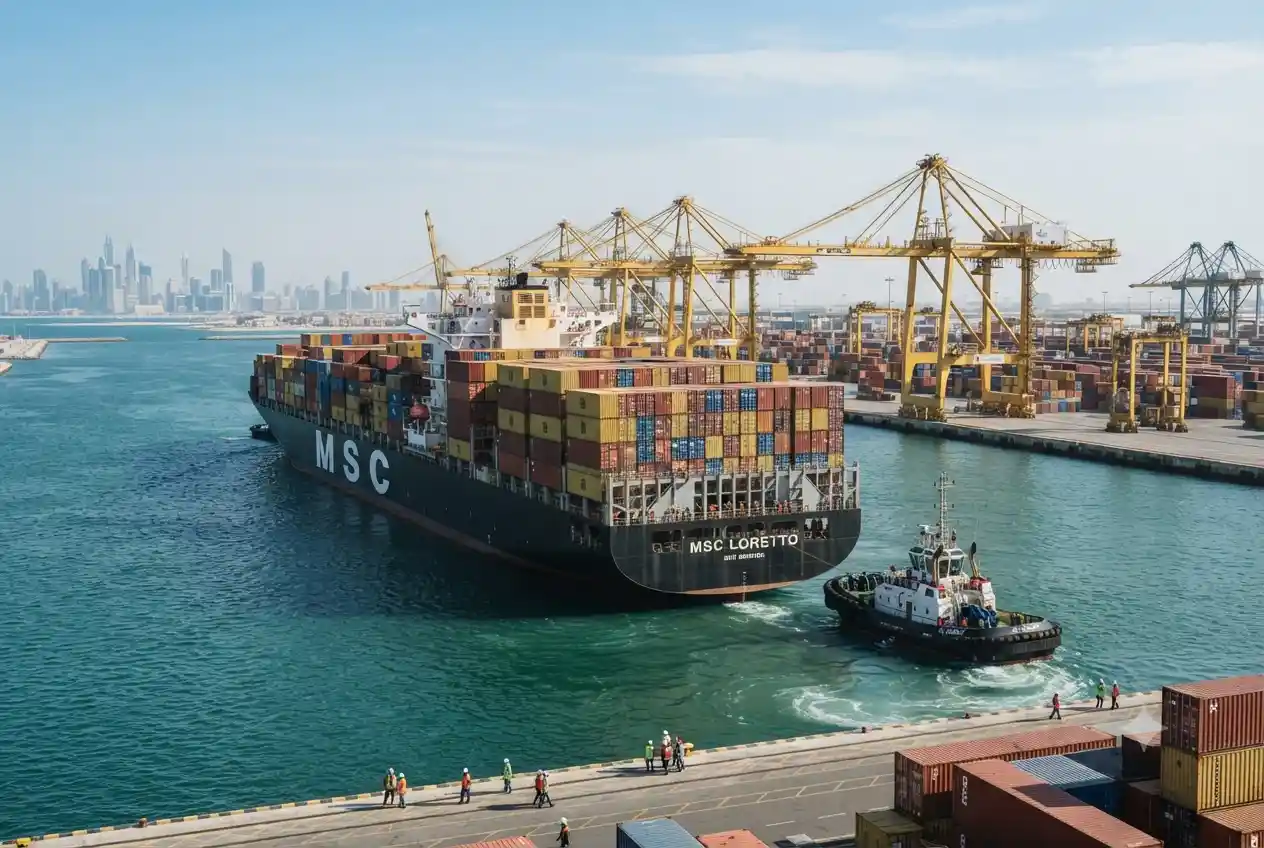
Marine insurance UAE is an important form of commercial protection for businesses involved in shipping, importing, exporting, logistics and maritime operations. Goods moving by sea can face a range of risks before reaching their destination, while vessels themselves can be exposed to accidents, damage and other maritime hazards.
Marine insurance helps businesses manage these risks by providing financial protection for insured losses under the terms of a policy. The appropriate coverage depends on what is being insured. A company transporting merchandise may need marine cargo insurance, while a vessel owner may require hull and machinery cover. Businesses involved in maritime activities may also need liability protection associated with their operations.
The UAE has a significant role in regional and international trade, making marine insurance relevant to importers, exporters, shipping companies, freight operators, logistics businesses, manufacturers and other organizations with goods or assets moving through maritime channels.
What Is Marine Insurance in the UAE?
Marine insurance is designed to protect insured maritime interests against specified risks. In the UAE regulatory framework, marine insurance includes both marine cargo insurance and marine hull insurance, with related liabilities forming part of the broader classification.
The Central Bank of the UAE’s insurance classification specifically identifies land transport, marine and air cargo insurance and related liabilities, as well as marine hull, machinery and equipment insurance and related liabilities. :contentReference[oaicite:0]{index=0}
This distinction is important because cargo insurance and hull insurance protect different interests. Cargo insurance focuses on goods being transported, while hull insurance is primarily concerned with the vessel and associated machinery or equipment covered by the policy.
Why Marine Insurance Matters for UAE Businesses
International shipments can represent significant financial investments. A single consignment may contain raw materials, machinery, electronics, food products, construction materials or finished goods worth a substantial amount.
If goods are lost or damaged during an insured transit, the financial consequences can extend beyond the value of the products themselves. Delays can affect production schedules, customer commitments and cash flow.
Marine insurance can help businesses transfer some of the financial risk associated with specified events. It does not eliminate shipping risks, but suitable coverage can reduce the financial impact of an insured loss.
This is particularly relevant for UAE businesses importing goods from Asia, Europe and other international markets or exporting products through the country’s major ports and logistics networks.
Types of Marine Insurance UAE Businesses Should Know
Marine Cargo Insurance
Marine cargo insurance protects eligible goods while they are being transported. Despite its name, cargo coverage is not necessarily limited to the time goods are physically at sea. Depending on the policy and transit arrangement, coverage can extend across specified stages of the journey.
A UAE importer may use cargo insurance to protect a shipment travelling from an overseas supplier to the UAE. Similarly, an exporter may insure goods moving from a UAE warehouse to an international customer.
The exact start and end points of coverage, transport modes, geographical limits and insured risks depend on the policy wording.
Marine Hull Insurance
Marine hull insurance is designed around the vessel itself and can include machinery, equipment and related liabilities depending on the policy.
This type of insurance can be relevant to vessel owners, operators and businesses with financial interests in marine assets. The risks can differ substantially from cargo risks because the insured asset is a vessel rather than merchandise being transported.
Marine Liability Insurance
Marine operations can create liability exposures involving third parties, cargo, crew, ports and other maritime interests. Certain marine insurance arrangements can therefore include or be complemented by liability protection.
The exact scope depends on the policy, business activity and applicable maritime arrangements. Companies should identify their potential liabilities separately rather than assuming that cargo or hull insurance automatically covers every third-party claim.
What Does Marine Cargo Insurance Cover?
Marine cargo policies can provide protection against specified risks affecting insured goods during transportation. The exact coverage varies significantly between policies.
Depending on the selected coverage, insured risks may include certain forms of:
- Physical loss or damage to cargo.
- Damage caused by specified maritime accidents.
- Fire-related loss or damage.
- Theft where covered by the policy.
- Damage during specified stages of transportation.
- Loss associated with particular transit-related events.
The policy wording determines which risks are actually insured. Businesses should not assume that the phrase “all risks” means literally every possible loss is covered. Even broad marine cargo policies contain exclusions and conditions.
What Is Marine Cargo Insurance Used For?
Marine cargo insurance can be useful whenever a business has a financial interest in goods being transported and would face a meaningful loss if those goods were damaged or lost.
Examples include:
- Manufacturers importing raw materials.
- Retailers importing finished products.
- Wholesalers transporting inventory internationally.
- Exporters shipping products to overseas buyers.
- Construction companies importing machinery or materials.
- Technology businesses transporting expensive equipment.
- Trading companies moving goods between international markets.
The appropriate insurance arrangement depends on the value, nature, destination, frequency and method of transportation.
Single Shipment vs Annual Marine Cargo Insurance
Businesses with occasional shipments may choose a policy designed around individual consignments, while companies importing or exporting regularly may consider an annual or open-cover arrangement where available.
A single-shipment policy can be useful when a business has an isolated high-value consignment and wants coverage specifically for that transit.
An annual arrangement can be more convenient for businesses that make frequent shipments because individual consignments may be handled under an agreed framework. However, the policy conditions, declaration requirements and coverage limits must be understood carefully.
Businesses should compare the administrative requirements and total cost of each approach based on their actual shipping volume.
What Does Marine Hull Insurance Cover?
Marine hull insurance focuses on physical damage to the insured vessel and may also include machinery, equipment and related liabilities depending on the policy.
Potential insured risks can include certain accidental damage events, collision-related damage, fire, grounding and other maritime perils where covered by the specific policy.
The value and age of the vessel, intended use, operating area, maintenance standards, crew arrangements and claims history can all influence underwriting and pricing.
Owners should ensure that the declared vessel value and specifications are accurate. Incorrect information can create problems during underwriting or when a claim is assessed.
What Marine Insurance Does Not Usually Cover
Marine insurance policies contain exclusions because not every cause of loss can reasonably be transferred to an insurer. Exclusions differ between cargo, hull and liability policies.
Depending on the policy, exclusions can relate to:
- Normal wear and tear.
- Inherent defects or deterioration.
- Improper or inadequate packaging.
- Deliberate or fraudulent acts.
- Uninsured delays or consequential losses.
- Unapproved destinations or activities.
- Certain types of war or political risks.
- Sanctions or prohibited trade activities.
- Losses outside the agreed transit or geographical scope.
These examples are general considerations rather than a universal list. The actual policy wording should always be reviewed before assuming that a particular event is covered.
Marine Insurance and Packaging Requirements
Packaging can play an important role in cargo insurance. Goods must be prepared appropriately for the method and conditions of transportation. Fragile products, machinery, electronics and other sensitive goods may require specialized packaging.
If goods are damaged because they were inadequately packaged, the insurer may examine whether the loss falls within the policy’s coverage and exclusions.
Businesses should therefore retain shipping documentation, packing specifications, photographs and other relevant records. Proper documentation can help demonstrate how the cargo was prepared and handled.
How Much Does Marine Insurance UAE Cost?
There is no standard premium for marine insurance UAE. Pricing depends on the type of insurance, value of the insured interest, nature of the goods or vessel, destination, route, transport method, coverage selected, claims history and other underwriting factors.
For cargo insurance, the value and type of goods are particularly important. Fragile, high-value or theft-sensitive products may present different risks from durable, low-value commodities.
For hull insurance, factors can include vessel type, age, value, operating region, usage and previous claims.
Businesses should obtain quotations based on their actual shipping or vessel details instead of relying on generic online estimates.
Factors That Can Affect Marine Cargo Insurance Premiums
Several factors can influence the cost of cargo insurance.
Value of the Shipment
A higher declared cargo value generally means a greater potential exposure for the insurer. The insured value should accurately reflect the financial interest being protected.
Type of Goods
The nature of the cargo can influence underwriting. Fragile, perishable, hazardous, theft-sensitive or unusually valuable goods may require different risk assessment.
Shipping Route
Routes and destinations can affect risk depending on the geographical and political environment, transit conditions and other factors considered by the insurer.
Transport Method
Goods may move by sea, road, rail or air as part of an international shipment. The policy needs to clearly address the transportation arrangement and applicable stages of transit.
Claims History
Previous losses can influence how an insurer assesses future risk. Businesses with frequent cargo claims may receive different terms from companies with a strong loss history.
Marine Insurance for Importers in the UAE
Importers often have a direct financial interest in protecting goods from the moment they leave the supplier until they reach the intended destination.
Consider an importer purchasing a large shipment of commercial equipment from an overseas manufacturer. If the equipment suffers serious damage during transit, the importer could face the cost of replacing the goods while also dealing with delivery delays and customer commitments.
Marine cargo insurance can help manage this exposure when the cause of loss falls within the policy’s insured risks.
Importers should review the sales contract, shipping terms and responsibility for insurance carefully. The contractual arrangement between buyer and seller can influence who is responsible for arranging transportation and insurance.
Marine Insurance for UAE Exporters
Exporters can face similar risks when sending products to international customers. Depending on the transaction terms, the exporter may retain an interest in the goods during part of the journey.
Exporters should identify the point at which risk transfers between the parties and ensure that the insurance arrangement aligns with the contractual and shipping terms.
This is especially important for high-value shipments where an uninsured loss could significantly affect working capital.
Marine Insurance for Shipping and Logistics Companies
Shipping and logistics businesses can have multiple layers of risk. Their insurance needs may include protection for owned or operated vessels, cargo-related exposures, equipment and various liabilities.
A logistics provider should distinguish between property it owns and goods belonging to customers. The insurance arrangement for a company’s own equipment may be different from coverage for cargo entrusted to it by a customer.
Contractual obligations should also be reviewed carefully. Customers may require specific insurance limits or evidence of coverage before awarding logistics or transportation contracts.
Marine Insurance and UAE Ports
The UAE’s position as a major regional trading and logistics hub makes maritime insurance relevant to a broad range of businesses. Cargo can pass through ports as part of international supply chains involving manufacturers, distributors, freight forwarders and final customers.
A shipment’s journey can involve several stages and service providers. Cargo may be loaded at an overseas port, transported by sea, discharged at a UAE port and then moved by road to a warehouse or customer.
Insurance should therefore be reviewed in relation to the entire relevant transit rather than assuming that protection exists simply because goods are being transported commercially.
Marine Insurance and Trade Finance
Marine insurance can also be relevant to businesses using trade finance. Banks and financial institutions may require evidence of insurance when financing certain transactions, particularly where goods represent security or form part of the underlying commercial transaction.
Insurance requirements can vary according to the financing arrangement and contractual terms. Businesses should coordinate with their bank, supplier, buyer and insurer to ensure that documentation is consistent.
Accurate insurance certificates, invoices, bills of lading and other shipping documents can become particularly important when a financed transaction experiences a loss.
Understanding the Bill of Lading
A bill of lading is an important shipping document that can contain information about the goods, shipper, consignee and transportation arrangement. It can play a significant role in documenting a marine shipment.
Businesses should ensure that shipping documentation is accurate and consistent with the insurance information. Errors in cargo descriptions, values, destinations or parties can create complications when a claim is reviewed.
Keep copies of relevant shipping documents and make sure responsible staff understand the documentation requirements before cargo leaves the origin point.
How to Make a Marine Insurance Claim
If cargo or a vessel suffers damage, prompt action is important. The policy will normally contain specific requirements for notifying the insurer and documenting the loss.
Depending on the circumstances, useful evidence can include:
- Insurance certificate or policy documents.
- Commercial invoices.
- Packing lists.
- Bills of lading or transport documents.
- Photographs of damaged goods.
- Inspection or survey reports.
- Delivery records.
- Correspondence with carriers and other parties.
- Evidence of the value of the loss.
Do not dispose of damaged cargo before the insurer or appointed surveyor has had an opportunity to inspect it unless immediate action is necessary for safety or to prevent further damage.
Marine Cargo Surveys and Inspections
For significant losses, an insurer may appoint a surveyor to investigate the circumstances and assess the extent of damage. The survey can help establish what happened, how the cargo was affected and whether the loss falls within the policy.
Businesses should cooperate with reasonable inspection requirements and provide relevant documentation promptly. Clear records of the shipment’s condition before and after transit can be useful during the claims process.
War and Political Risk in Marine Insurance
War, political violence, sanctions and related risks can require special attention in marine insurance. They are not necessarily included in standard coverage.
International shipping routes can change over time because of geopolitical events, security concerns or regulatory restrictions. A business shipping valuable goods should confirm whether the intended route and destination fall within the policy’s coverage.
The Central Bank’s current insurance guidance also highlights the importance of compliance and risk controls in marine insurance and reinsurance, including risks associated with vessels, high-risk goods and sanctions evasion. :contentReference[oaicite:1]{index=1}
How to Choose Marine Insurance UAE
The best marine insurance policy depends on the specific risk being transferred. Businesses should begin by identifying whether they need cargo, hull, liability or a combination of protections.
When comparing policies, consider:
- Insured value.
- Scope of coverage.
- Transit or navigation limits.
- Deductible or excess.
- Exclusions.
- War and political-risk provisions.
- Claims notification requirements.
- Survey and inspection procedures.
- Coverage for multimodal transportation.
- Policy limits and sub-limits.
- Documentation requirements.
Businesses should also check whether their policy adequately reflects the contracts and shipping arrangements they actually use. An insurance policy that looks suitable on paper may not provide the intended protection if important activities or destinations fall outside its terms.
Why Businesses Should Review Marine Insurance Regularly
Shipping operations can change as a company grows. A business may begin importing from one country and later expand to several markets. It may also increase shipment values, introduce new products or start using different transportation routes.
These changes can alter the company’s insurance needs. A policy purchased when the business was small may no longer be appropriate after significant expansion.
Review marine insurance whenever there is a major change in shipment values, products, destinations, suppliers, logistics arrangements or contractual obligations.
Marine Insurance and the UAE Regulatory Framework
The Central Bank of the UAE currently regulates and supervises the UAE insurance sector. Its insurance framework identifies marine cargo and marine hull insurance as recognized categories within property and liability insurance. :contentReference[oaicite:2]{index=2}
The regulatory framework also includes rules concerning how insurance products are offered and supervised. For example, the CBUAE Rulebook identifies marine cargo insurance among the insurance products that may be marketed through certain approved channels subject to applicable requirements. :contentReference[oaicite:3]{index=3}
For businesses purchasing marine insurance, the practical priority is to use an appropriately regulated insurance provider or intermediary and to verify the current terms of the policy before arranging coverage.
Lasting Thought
Marine insurance UAE provides an important layer of financial protection for businesses exposed to the risks of international transportation and maritime operations. Cargo insurance can protect eligible goods during transit, while hull insurance focuses on vessels, machinery and equipment. Related liability protection may also be relevant depending on the business and policy structure.
For importers, exporters and logistics companies, the most important step is to match insurance with the actual movement of goods, contractual responsibilities and potential financial exposure. Businesses should carefully review insured risks, exclusions, deductibles, geographical limits and claims procedures rather than selecting a policy based solely on price.
As international supply chains become more complex, regularly reviewing marine insurance can help UAE businesses identify coverage gaps before a significant loss occurs. Current regulatory requirements and policy conditions should always be verified with the insurer or qualified insurance intermediary before coverage is arranged.