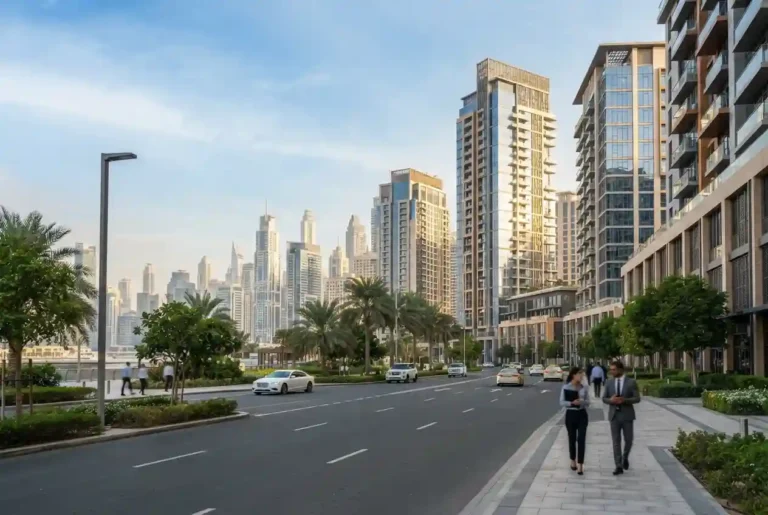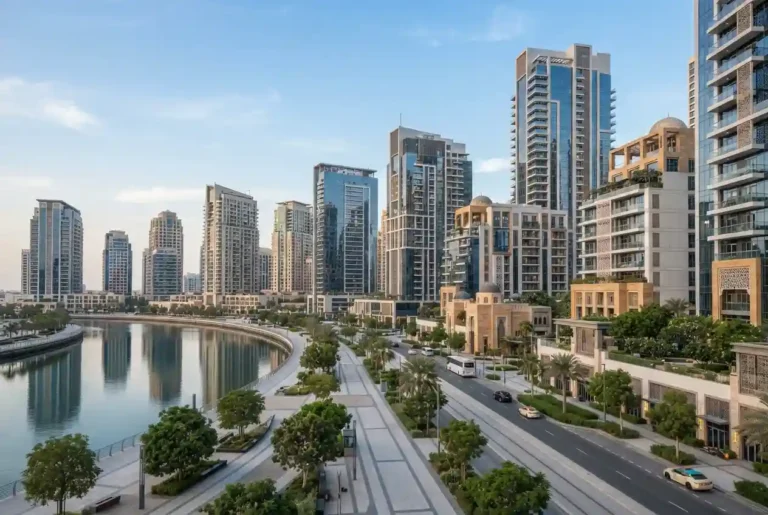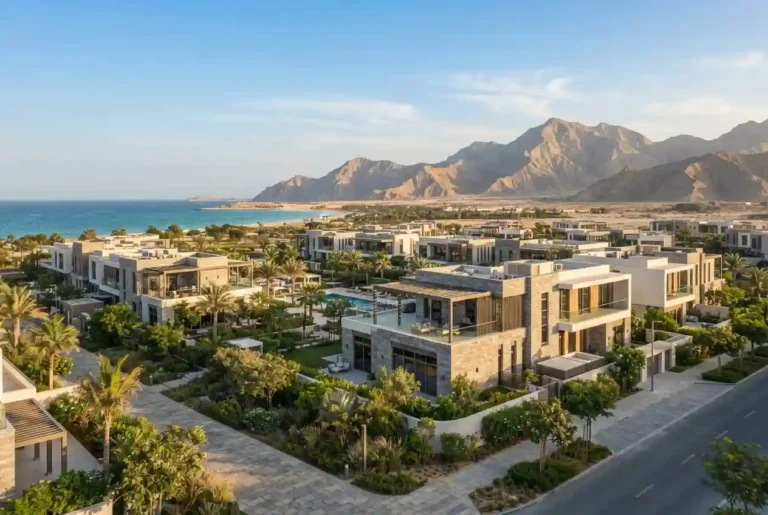



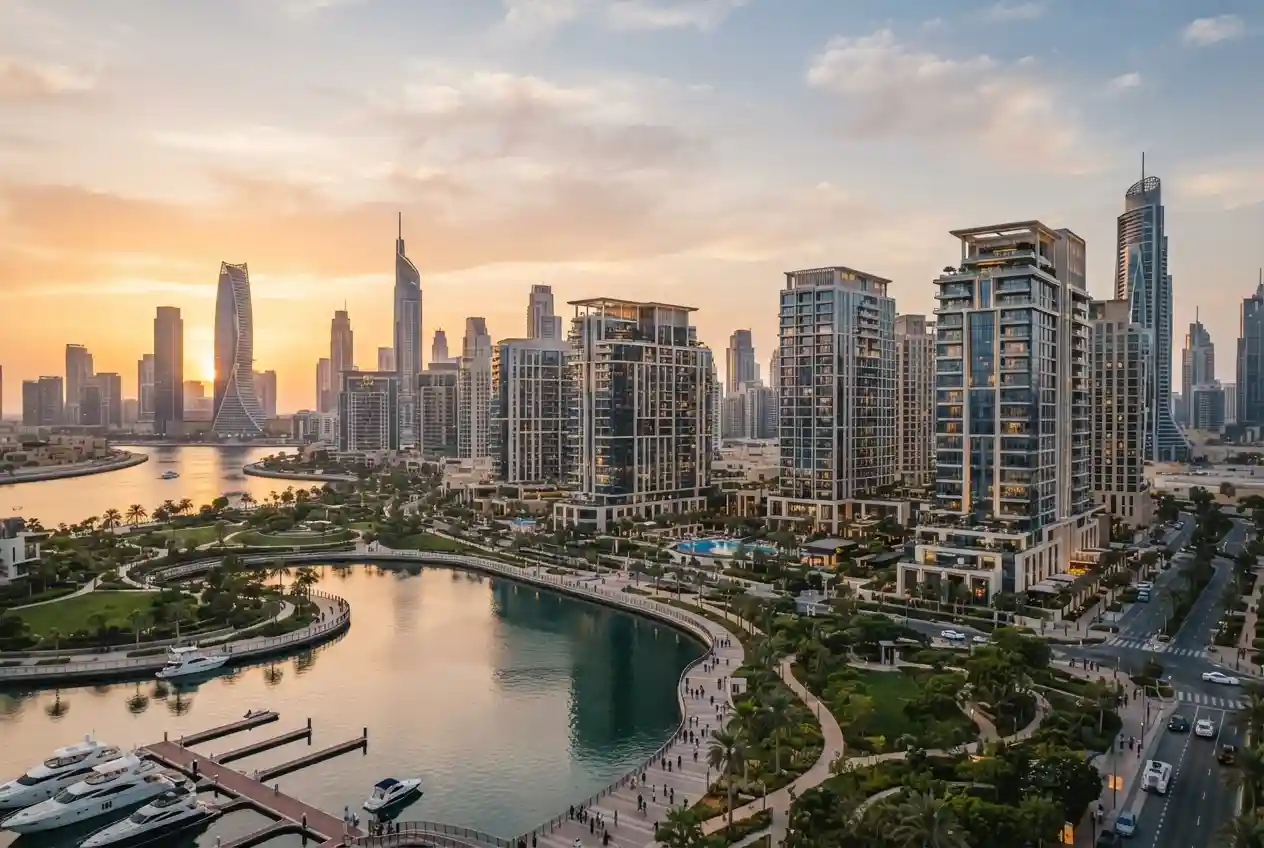
Emaar real estate is closely associated with Dubai’s modern property market, particularly among buyers looking for established communities, premium residences and investment opportunities. However, Emaar is not the only developer worth considering. Dubai’s property sector includes several major developers and real estate groups with different approaches to location, community planning, property types and investment strategies.
For buyers comparing alternatives, the right choice depends on more than the reputation of a developer. Location, development type, payment structure, completion status, service charges, rental demand and long-term objectives can all influence whether a particular property makes sense.
This guide looks at some of the major Emaar real estate alternatives in Dubai and explains what buyers should consider when comparing established developers with other options in the market.
Why Consider Alternatives to Emaar Real Estate?
Emaar has a broad portfolio covering apartments, villas and townhouses in several prominent Dubai communities. Its official portfolio includes developments associated with areas such as Downtown Dubai, Dubai Marina, Dubai Hills Estate and Dubai Creek Harbour. :contentReference[oaicite:0]{index=0}
That breadth can make Emaar an obvious starting point, but property buyers should not assume that one developer will automatically provide the best fit for every budget or objective.
Alternative developers may offer different locations, community concepts, property configurations or entry points. Some buyers may prefer waterfront developments, while others may prioritise family-oriented communities, proximity to business districts or access to established retail and leisure destinations.
Comparing several developers before making a decision can therefore provide a clearer picture of the opportunities available in Dubai’s competitive real estate market.
Dubai Holding Real Estate as a Major Emaar Alternative
Dubai Holding real estate is one of the most significant alternatives for buyers researching established developers in Dubai. Dubai Holding Real Estate operates across master-planned communities and destinations, with brands and developments connected to Meraas, Nakheel and Dubai Properties. Its portfolio includes locations such as Bluewaters, City Walk, Palm Jumeirah, Jumeirah Beach Residence and Business Bay. :contentReference[oaicite:1]{index=1}
The group’s position is particularly interesting for buyers who want to compare different styles of Dubai property rather than focusing on one development model.
Meraas, for example, is associated with design-led destinations and premium urban environments, while Nakheel has played a major role in Dubai’s waterfront development. Dubai Properties also has a broad residential portfolio covering established and emerging communities. :contentReference[oaicite:2]{index=2}
This makes Dubai Holding a useful comparison point for anyone researching dubai investment real estate and looking beyond a single developer.
What Makes Dubai Holding Different?
One of the main distinctions is the scale and diversity of its real estate portfolio. Dubai Holding describes its real estate business as covering master development, residential communities, mixed-use destinations and asset management. :contentReference[oaicite:3]{index=3}
For investors, that broad exposure can make it worthwhile to compare individual projects rather than judging the entire group as one property proposition. A waterfront apartment, suburban villa and centrally located residence can have very different rental and resale characteristics even when they are connected to the same wider organisation.
Dubai Investment Real Estate: What Buyers Should Compare
When researching dubai investment real estate, the developer’s name is only one part of the analysis. Investors should evaluate the actual property and community alongside the developer’s track record.
Location should be one of the first considerations. Properties close to major employment centres, transport routes, schools, retail destinations and leisure attractions may appeal to different tenant groups. Waterfront and luxury properties can also behave differently from mainstream residential apartments.
Buyers should also compare:
- Property purchase price and expected total acquisition cost
- Community location and accessibility
- Expected rental demand
- Property size and layout
- Service charges and ongoing ownership costs
- Off-plan or completed status
- Developer payment plans where applicable
- Quality and range of community amenities
- Potential resale audience
- Long-term investment objectives
This approach is particularly important when comparing a recognised developer with smaller or more specialised companies. A strong developer brand can be valuable, but the specific project still needs to make sense on its own merits.
Dubai Investment Real Estate LLC and the Importance of Verification
Searches for terms such as dubai investment real estate llc can return different companies, brokerages, investment businesses and property-related entities. Buyers should therefore verify the exact company behind a listing or investment opportunity before relying on information found online.
Company names can sometimes be similar, particularly in a large property market with thousands of agencies and real estate businesses. Checking the legal entity, brokerage credentials, project developer and property registration details can help reduce confusion.
For major purchases, buyers should also distinguish between a property developer and a real estate brokerage. A developer creates or delivers a project, while a brokerage generally markets properties and assists buyers or sellers with transactions.
How Emaar Compares With Other Dubai Developers
The best alternative to Emaar depends on what a buyer values most.
For a buyer prioritising an established master-planned community, one developer may be more attractive. Someone searching for a waterfront lifestyle could have an entirely different shortlist. An investor focused on rental income may prioritise tenant demand and purchase price, while an end user may place greater emphasis on schools, parks, retail and everyday convenience.
Emaar itself promotes a portfolio spanning apartments, villas, townhouses and penthouses across several established Dubai communities. :contentReference[oaicite:4]{index=4} The practical lesson is that comparisons should be made at the project and location level rather than simply choosing a developer based on brand recognition.
Other Developers Worth Researching
Dubai’s property market extends well beyond Emaar and Dubai Holding. Buyers can also research developers such as Aldar and other established UAE property companies, particularly when looking at new communities and large-scale development projects.
Dubai Holding and Aldar have expanded a strategic joint venture in Dubai, with new projects planned across the emirate. The partnership demonstrates how the city’s development landscape increasingly involves collaboration between major property groups rather than a simple competition between individual developers. :contentReference[oaicite:5]{index=5}
For buyers who want to compare specific companies, our wider real estate coverage can also help you research Hamptons real estate Dubai, AEON & Trisl real estate, and Asteco real estate as part of a broader developer and brokerage comparison.
Should You Choose a Developer or a Property First?
For most buyers, it is better to start with the property requirements and then evaluate the developers that meet them.
For example, an investor seeking a centrally located apartment with strong tenant demand may create a different shortlist from a family looking for a villa in a quieter master community. Similarly, a luxury buyer may focus on architecture, privacy, waterfront access and exclusivity rather than simply comparing advertised prices.
Starting with the desired property type and location can prevent brand reputation from becoming the only deciding factor.
Questions to Ask Before Buying From an Alternative Developer
Before committing to a property, buyers should ask several practical questions.
- Who is the registered developer of the project?
- Is the property completed or still under development?
- What are the expected completion and handover arrangements?
- What service charges apply?
- What amenities are included in the community?
- How accessible is the development to major roads and everyday services?
- What similar properties are available nearby?
- What is the likely target tenant or resale buyer?
- What are the payment and financing requirements?
- Have all relevant ownership and transaction documents been independently verified?
These questions can make a comparison much more useful than simply searching for the biggest name in Dubai real estate.
Is Emaar Still Worth Considering?
Looking for Emaar alternatives does not mean excluding Emaar from the shortlist. The company remains a major Dubai developer with a broad portfolio of residential communities and property types. :contentReference[oaicite:6]{index=6}
Instead, comparing Emaar with other established developers can help buyers understand how different projects fit different goals. A property from Emaar may be the right choice for one buyer, while a development from Dubai Holding, Aldar or another developer may better match another buyer’s location, lifestyle or investment requirements.
Final Thoughts on Emaar Real Estate Alternatives
The Dubai property market offers far more choice than a single developer. Emaar real estate remains an important part of the market, but buyers can broaden their research by considering Dubai Holding real estate and other established developers and brokers.
The strongest comparison focuses on the complete property proposition: location, price, community, developer, ownership costs, rental demand, potential resale market and the buyer’s long-term objectives.
For investors exploring dubai investment real estate, this broader approach can make it easier to identify opportunities that fit their specific requirements rather than simply following brand recognition. Always verify project and transaction information through appropriate official channels and professional advisers before making a property purchase.