



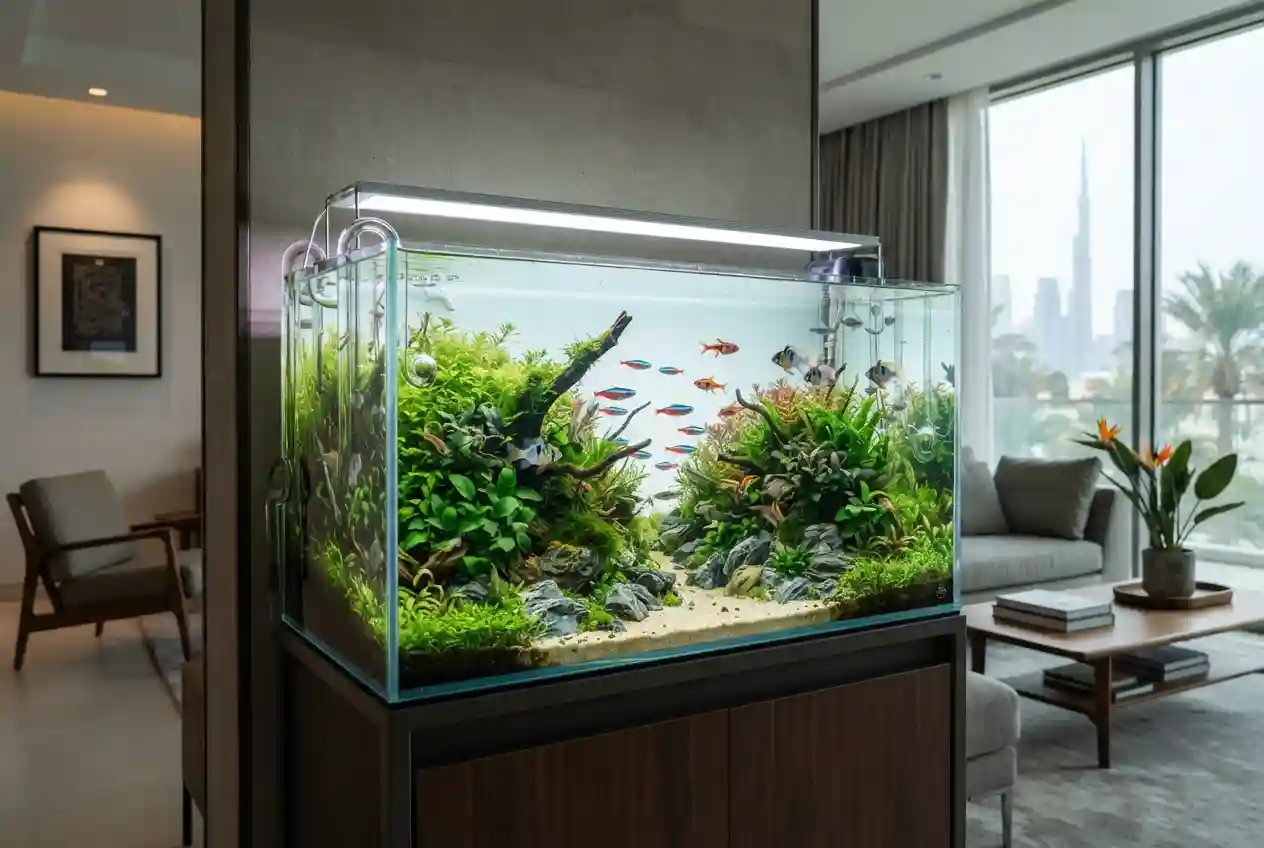
Pet fish can be an appealing choice for UAE households that want animals without the daily walking and outdoor exercise requirements associated with dogs. A well-maintained aquarium can also become an attractive feature in a home, while observing fish can provide a calming and educational experience for adults and children.
However, fishkeeping is not as simple as filling a tank with water and adding fish. Aquarium pets depend on stable water conditions, suitable filtration, appropriate temperature, adequate space, compatible tank mates and species-specific nutrition.
For beginners searching for pet fish near me, a fish pet shop or information about aquarium pets, understanding the basics before purchasing any fish can prevent common mistakes and help create a healthier aquatic environment.
Why Choose Fish as Pets?
Fish can suit households that appreciate observing animals but may not have the time, space or lifestyle required for larger companion animals. They can also be suitable for people interested in learning about aquatic ecosystems and aquarium care.
Different fish species have very different requirements, so the aquarium should be designed around the fish rather than choosing a tank first and deciding what to put inside it later.
Fish also require regular maintenance. Water quality must be monitored, equipment needs attention and feeding should be controlled. Although fish do not require walks, they still depend on consistent daily and weekly care.
What Are the Best Pet Fish for Beginners?
There is no single best fish for every beginner. A suitable choice depends on the size of the aquarium, water conditions, experience level and willingness to maintain the tank.
Commonly encountered freshwater species can include bettas, guppies, mollies, platies, tetras and certain varieties of goldfish. However, even species commonly described as beginner-friendly have specific requirements.
For example, some fish need to live in groups, while others can be territorial. Some species remain small, while others eventually require considerably more space than a new owner may expect.
Research the adult size and social requirements of a species before buying it.
How to Choose Pet Fish
Before visiting a retailer, decide what type of aquarium you can realistically maintain. Tank size, filtration, lighting, heating and maintenance requirements should be considered before purchasing fish.
Research the species you are interested in and identify whether it prefers warm or cooler water, whether it needs companions and what type of food it requires.
Compatibility is another major consideration. Not every fish can safely share the same aquarium. Differences in temperament, size and water requirements can create problems.
Pet Fish Near Me: Finding a Reliable Seller
A search for pet fish near me can help locate local aquarium retailers and pet shops, but buyers should assess the condition of the fish and the quality of the store before purchasing.
Look at the aquariums carefully. Fish should appear active and reasonably healthy, while tanks should be maintained appropriately. Avoid purchasing from a setup that appears neglected or contains multiple obviously unhealthy fish.
Ask the seller what water conditions the fish currently live in and what food they receive. This information can help you plan a smoother transition to your home aquarium.
It is also useful to ask about the fish’s adult size and compatibility with the aquarium you have prepared.
Fish Pet Shop: Questions to Ask Before Buying
A specialist fish pet shop can be particularly helpful for new aquarium owners. Before purchasing, ask several practical questions.
- How large will this fish become?
- What water temperature does it require?
- What water parameters are appropriate?
- Does it need to live with other fish?
- Which species are compatible with it?
- What food should it receive?
- How large should the aquarium be?
- Does it require specialist filtration or equipment?
Good questions can prevent an attractive but unsuitable purchase.
Setting Up an Aquarium Before Adding Fish
One of the most common beginner mistakes is buying fish before the aquarium is ready. A new tank generally needs to be properly prepared and biologically established before fish are introduced.
The filtration system plays an important role in maintaining water quality. Beneficial microorganisms help process waste, which is why aquarium cycling is an important concept for new fishkeepers to understand.
Do not assume that clear water automatically means healthy water. Water can look clean while having chemical conditions that are harmful to fish.
Use appropriate test kits and follow reliable aquarium-care guidance when establishing a new tank.
Choosing the Right Aquarium Size
The aquarium should be large enough for the adult fish and the number of animals you intend to keep. Avoid choosing fish based on their current juvenile size alone.
A small fish may eventually become much larger, while species that need groups require enough space for the entire group to live comfortably.
A larger, properly maintained aquarium can sometimes provide more stable water conditions than an extremely small tank, although every aquarium still requires regular care.
Water Quality Matters
Water quality is one of the most important factors in successful fishkeeping. Temperature, pH, ammonia, nitrite and nitrate levels can all influence aquatic animal health, depending on the species.
Tap water may require appropriate treatment before it is added to an aquarium. Owners should use products designed for aquarium water and follow the manufacturer’s instructions.
Regular water testing can help identify problems before fish begin showing obvious signs of distress.
Feeding Aquarium Pets
Overfeeding is a common problem in home aquariums. Uneaten food can break down and contribute to poor water quality.
Feed fish according to their species-specific nutritional requirements and avoid assuming that more food is better. Observe whether food is being consumed and adjust feeding practices appropriately.
Different species may require flakes, pellets, frozen foods or other diets. Research the nutritional needs of the fish you keep rather than using one generic feeding routine for every aquarium.
Popular Aquarium Pets
Aquarium pets can include many freshwater and marine species, but beginners often start with freshwater fish because freshwater setups can be more straightforward than marine systems.
Guppies, platies and some tetra species are commonly encountered in freshwater aquariums. Bettas can also be popular, but they have specific housing and compatibility requirements that should be understood before purchase.
Goldfish are often marketed as beginner fish, but they can grow considerably and produce significant waste. They should not automatically be placed in very small bowls simply because they are commonly sold that way.
Aquatic Pets and Tank Compatibility
Aquatic pets should be selected with compatibility in mind. A community aquarium should contain species that can share similar environmental requirements and coexist peacefully.
Avoid mixing fish simply because they look attractive together. Some species may nip fins, compete aggressively for territory or eventually become large enough to prey on smaller tank mates.
Research compatibility before purchasing any combination of species. A specialist aquarium retailer can also help you understand whether your planned community is realistic.
Pet Fish Names: Choosing a Name for Your Fish
Choosing pet fish names can be one of the more enjoyable parts of becoming a fish owner. Names can reflect colour, personality, size or simply a favourite character or idea.
Popular naming styles include short names, food-inspired names, nature-related names and playful names based on the fish’s appearance.
For households with multiple fish, owners may choose a theme so that each animal has a distinct name. Children can also participate in naming, turning aquarium care into a simple educational activity.
The name itself does not matter to the fish, of course, but recognising individual animals can help owners notice behavioural or appearance changes over time.
Fish Behaviour Can Tell You a Lot
Fish cannot communicate with owners in the same way as dogs or cats, but their behaviour can still provide useful information.
Changes such as unusual hiding, rapid breathing, loss of appetite, abnormal swimming or persistent surface behaviour can indicate that something needs attention.
These signs can have many possible causes, including water-quality problems, disease, environmental stress or unsuitable tank conditions. Owners should investigate rather than assuming the fish will recover on its own.
Keeping Fish in the UAE Climate
The UAE’s warm climate can affect indoor aquarium conditions. Although many aquariums are kept inside air-conditioned homes, room temperature can still fluctuate, particularly when equipment or air conditioning settings change.
Use appropriate aquarium equipment to maintain stable conditions for the species you keep. Avoid placing the tank in direct sunlight, where temperature fluctuations and excessive algae growth may become problems.
Power interruptions can also affect filtration and heating equipment. Owners should understand how their aquarium will be affected by equipment failure and have a sensible plan for unexpected situations.
Cleaning an Aquarium
Routine maintenance is essential. Aquarium cleaning should not mean completely replacing all the water or scrubbing everything until the biological environment is destroyed.
Regular partial water changes, filter maintenance and removal of accumulated waste can help maintain a healthier system. Follow appropriate maintenance practices for the aquarium and its inhabitants.
Never use household cleaning chemicals inside an aquarium. Products not designed for aquatic systems can leave residues that are harmful to fish.
Fish for Children: What Parents Should Know
Fish can be a useful introduction to animal care because children can observe feeding, behaviour and changes in the aquarium. However, adults should remain responsible for the animal’s welfare.
Children can participate in simple tasks such as observing fish, helping with supervised feeding and learning about water quality. They should understand that tapping aquarium glass, repeatedly disturbing fish or overfeeding them is not appropriate.
An aquarium can also become a small science project, allowing children to learn about ecosystems, water chemistry and animal behaviour.
Common Fishkeeping Mistakes
New fishkeepers often make several avoidable mistakes.
- Adding too many fish too quickly.
- Choosing fish without checking adult size.
- Ignoring water testing.
- Overfeeding.
- Keeping incompatible species together.
- Using an aquarium that is too small.
- Failing to establish the aquarium before adding fish.
- Changing water conditions too quickly.
- Ignoring signs of illness or stress.
Taking a slower approach can prevent many of these problems.
Buying Fish Responsibly
Responsible fishkeeping begins with research. Do not purchase a species simply because it is available at a shop. Make sure you have the correct aquarium, equipment and knowledge first.
If you are considering an animal other than fish, our guides to exotic pets and The Pet Shop can help you explore broader pet-care considerations.
Owners should also avoid releasing unwanted aquarium fish into ponds, canals, waterways or the natural environment. Releasing captive animals can create welfare and ecological problems.
When to Seek Professional Advice
If fish become sick or display persistent abnormal behaviour, owners should seek advice from a qualified aquatic veterinarian or experienced aquarium professional where appropriate.
Water testing should be part of troubleshooting. Before adding medications or making major changes to the aquarium, identify the likely cause of the problem whenever possible.
Randomly adding multiple treatments can make it more difficult to determine what is affecting the fish and may create additional stress.
Frequently Asked Questions About Pet Fish
What are good pet fish for beginners?
Some freshwater species can be suitable for beginners, including certain guppies, platies and tetras. However, suitability depends on aquarium size, water conditions, compatibility and the owner’s ability to maintain the tank.
How often should I feed pet fish?
Feeding frequency depends on species and age. Follow species-specific guidance and avoid overfeeding because uneaten food can contribute to poor water quality.
Can I keep different fish together?
Yes, some species can live in community aquariums, but compatibility must be researched first. Water requirements, temperament, adult size and social behaviour all matter.
Can I keep fish in a small bowl?
A small bowl is generally unsuitable for many commonly sold fish because it can provide inadequate space and unstable water conditions. Choose an aquarium based on the adult requirements of the species.
Where can I find a fish pet shop near me?
Search for local aquarium specialists and pet retailers, then check their current location, stock and customer information. A specialist aquarium shop may be particularly useful for new fishkeepers.
Outlook
Pet fish can be fascinating and rewarding animals to keep, but successful fishkeeping requires preparation and consistent care. The most important step is to research the species before buying it and build an aquarium around its actual needs.
For UAE residents, a reliable fish pet shop can help with equipment and species information, but responsible ownership ultimately depends on maintaining suitable water conditions, providing appropriate nutrition and monitoring the animals regularly.
With the right setup and a patient approach, an aquarium can become a healthy, attractive and educational part of the home for years to come.