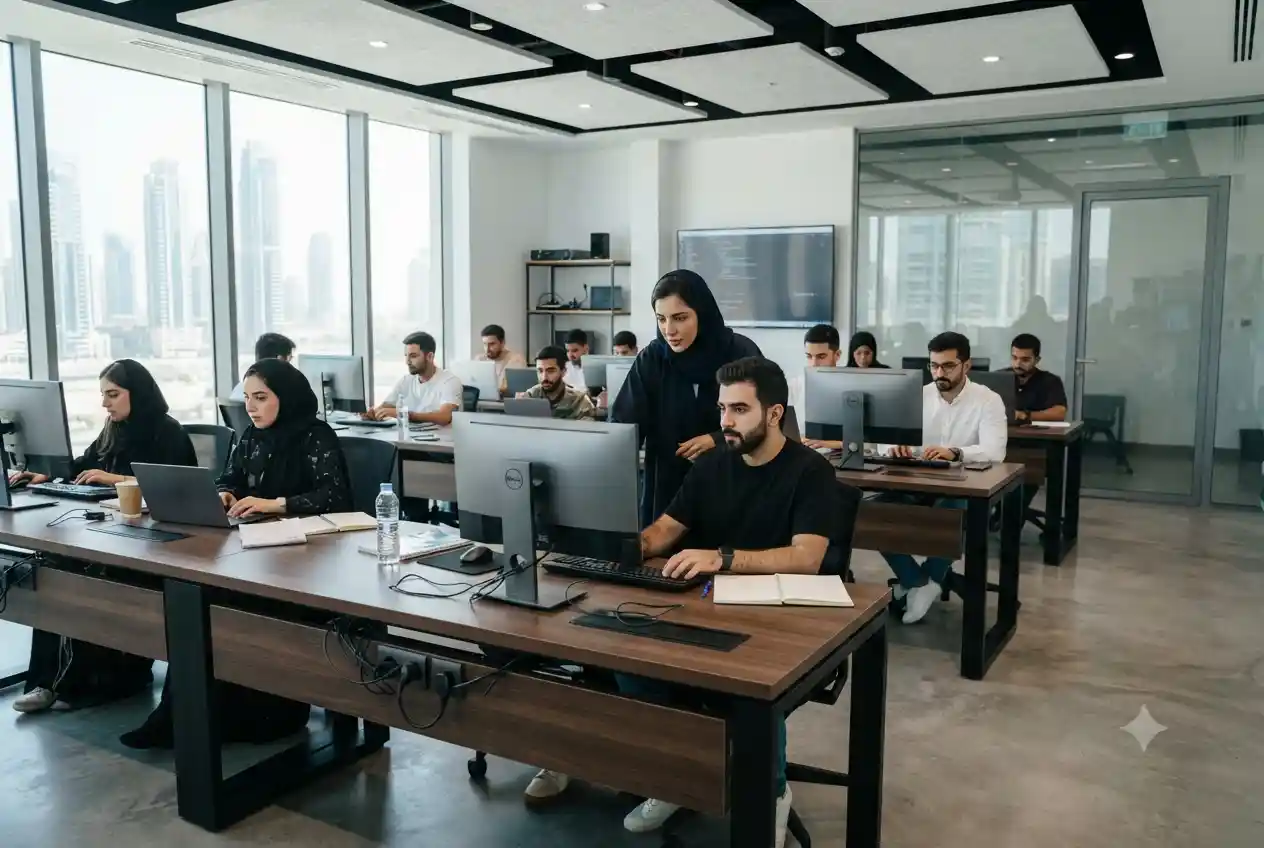
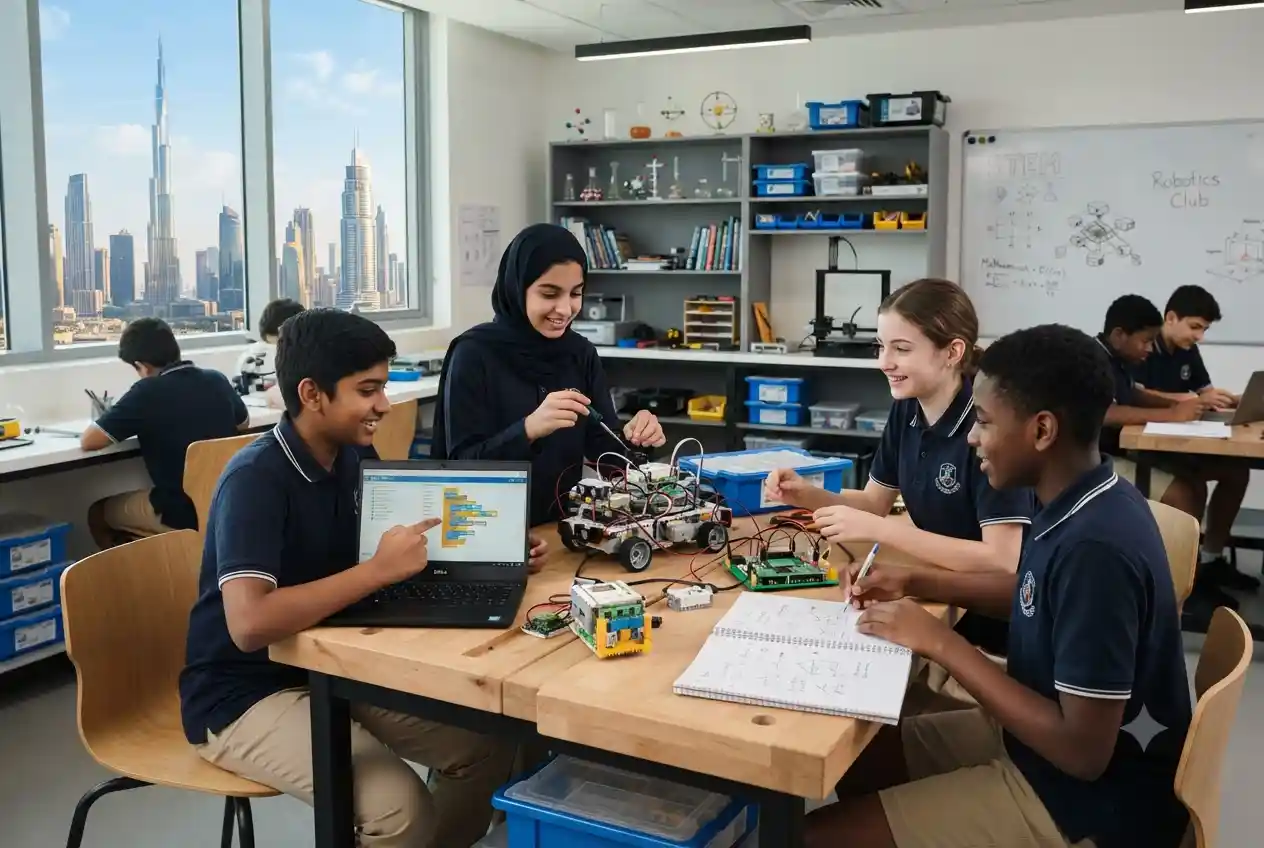
STEM education Dubai has become an important part of the conversation around modern learning, particularly as schools and educators look for ways to connect classroom knowledge with practical skills. STEM brings together science, technology, engineering and mathematics, encouraging students to understand how these subjects work together rather than studying them as completely separate areas.
For students in Dubai, this approach can make learning more practical and engaging. Instead of simply memorising formulas or definitions, learners can investigate problems, design solutions, test ideas and use digital tools to understand concepts. This makes STEM particularly relevant to a city known for technology, engineering, innovation and ambitious development.
Technology, however, should support education rather than replace good teaching. The most effective STEM environments combine capable teachers, suitable learning resources, hands-on activities and carefully selected digital tools. Parents and students can also explore wider education resources when comparing different approaches to learning in the UAE.
What Is STEM Education?
STEM education combines four closely connected disciplines: science, technology, engineering and mathematics. Its purpose is not simply to increase the number of technical subjects a student studies. Instead, STEM learning encourages students to apply knowledge from several disciplines to practical questions and real-world problems.
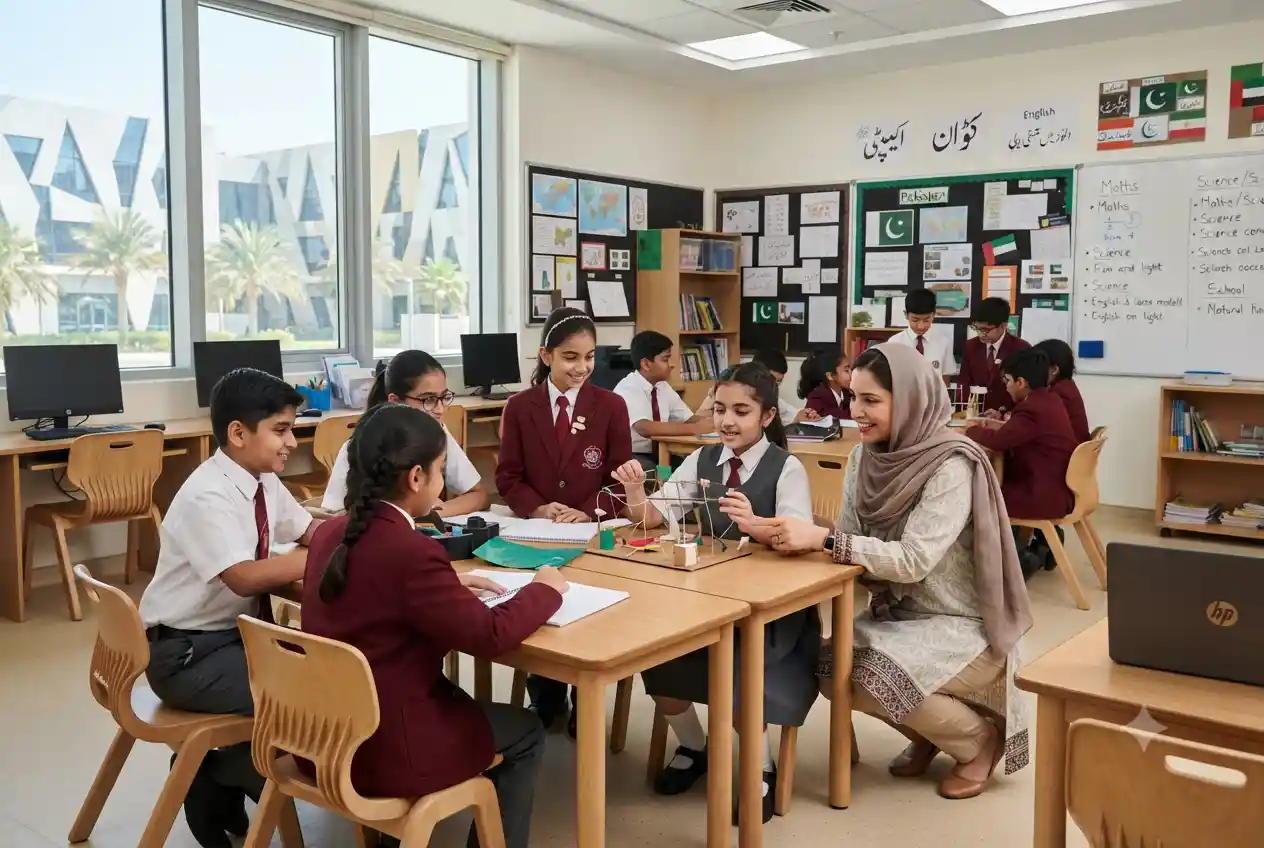
A classroom project might involve measuring materials in mathematics, understanding physical principles in science, designing a structure through engineering and using software or digital equipment through technology. The project therefore requires students to think across subjects and understand how different types of knowledge can work together.
This interdisciplinary approach can also encourage skills such as problem-solving, logical reasoning, experimentation, collaboration and communication. These skills are useful beyond school because many modern academic and professional environments require people to analyse information and develop practical solutions.
Why STEM Education Matters in Dubai
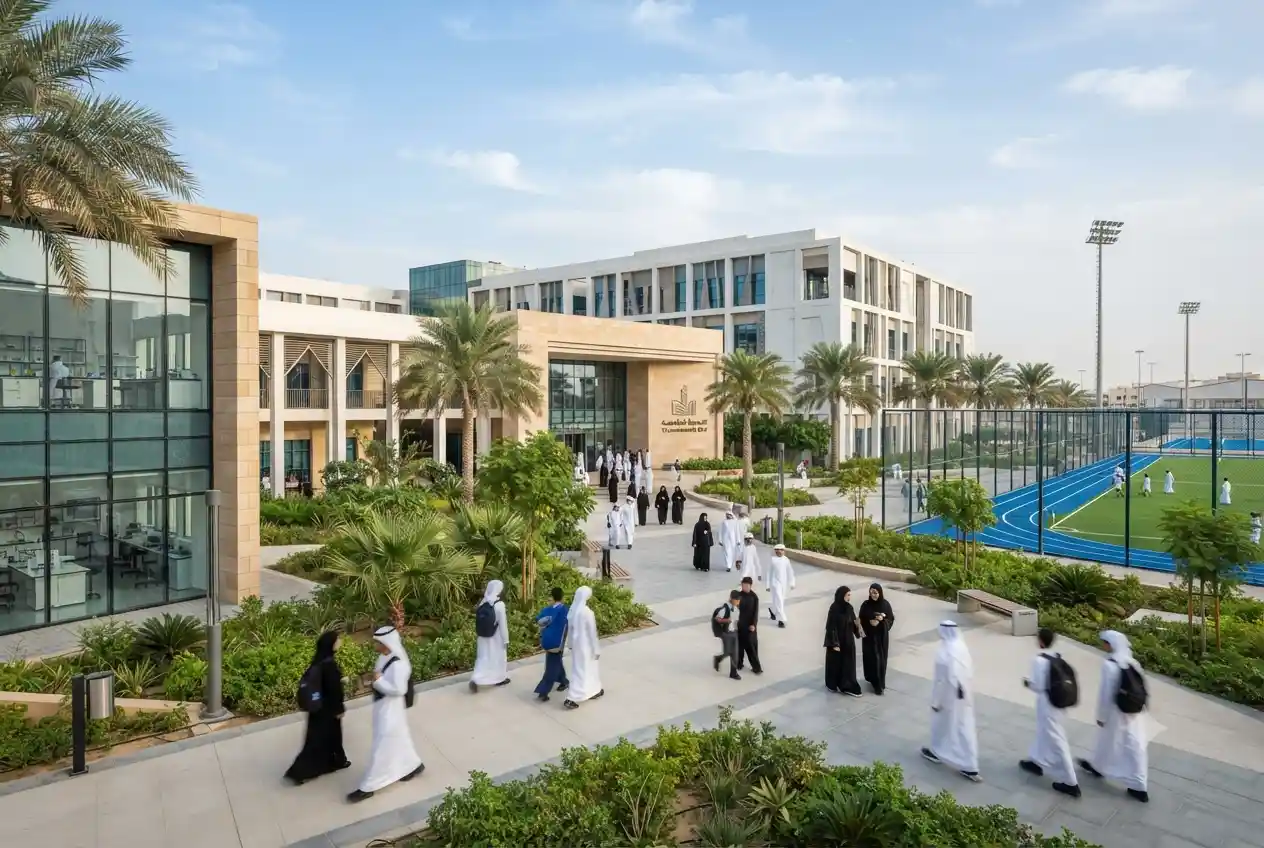
Dubai has developed a strong ecosystem around technology, innovation, engineering and digital transformation. That environment makes STEM learning particularly relevant for students who want to understand the technologies and scientific disciplines shaping their future.
The UAE government also highlights science and technology education through universities, research centres, science venues and initiatives designed to support innovation. Its current STEM workforce initiatives include programmes that connect high-performing students with international universities and advanced research opportunities.
At school level, STEM can help students begin developing an interest in these areas much earlier. A child who enjoys building a simple model, programming a robot or investigating how a scientific process works may gradually become more interested in engineering, computer science, mathematics or other technical disciplines.
How Technology Supports STEM Learning
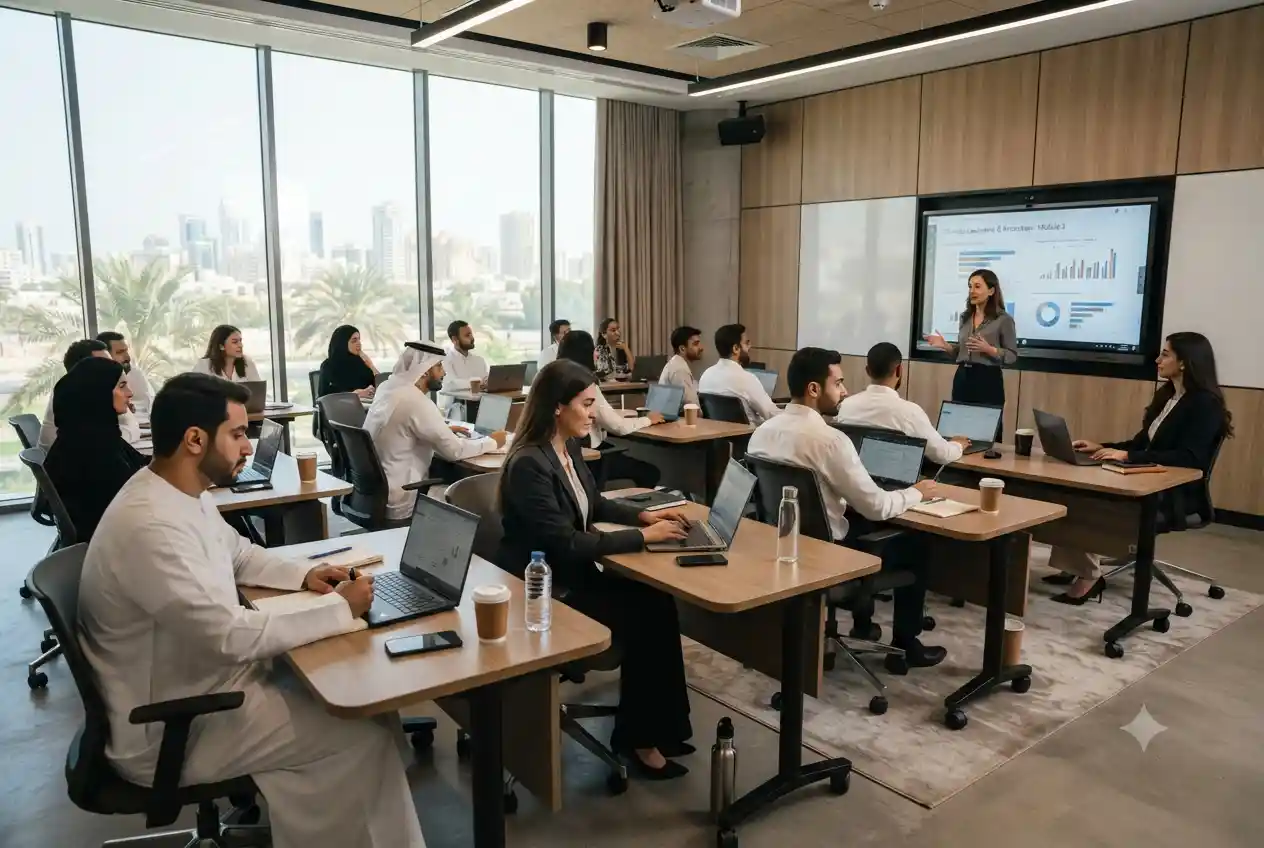
Digital technology can make STEM lessons more interactive when it is used with a clear educational purpose. Rather than using technology simply because it is available, teachers can select tools that help students visualise concepts, collect information, test ideas or create projects.
Interactive Simulations
Simulations can allow students to explore scientific or mathematical concepts that may otherwise be difficult to demonstrate in a traditional classroom. Learners can change variables, observe outcomes and repeat experiments while discussing why the results change.
Coding and Computational Thinking
Coding can introduce students to structured problem-solving. Even simple programming activities require learners to break a larger task into smaller steps, identify errors and improve their solution. These habits can complement mathematics and engineering activities.
Robotics and Practical Projects
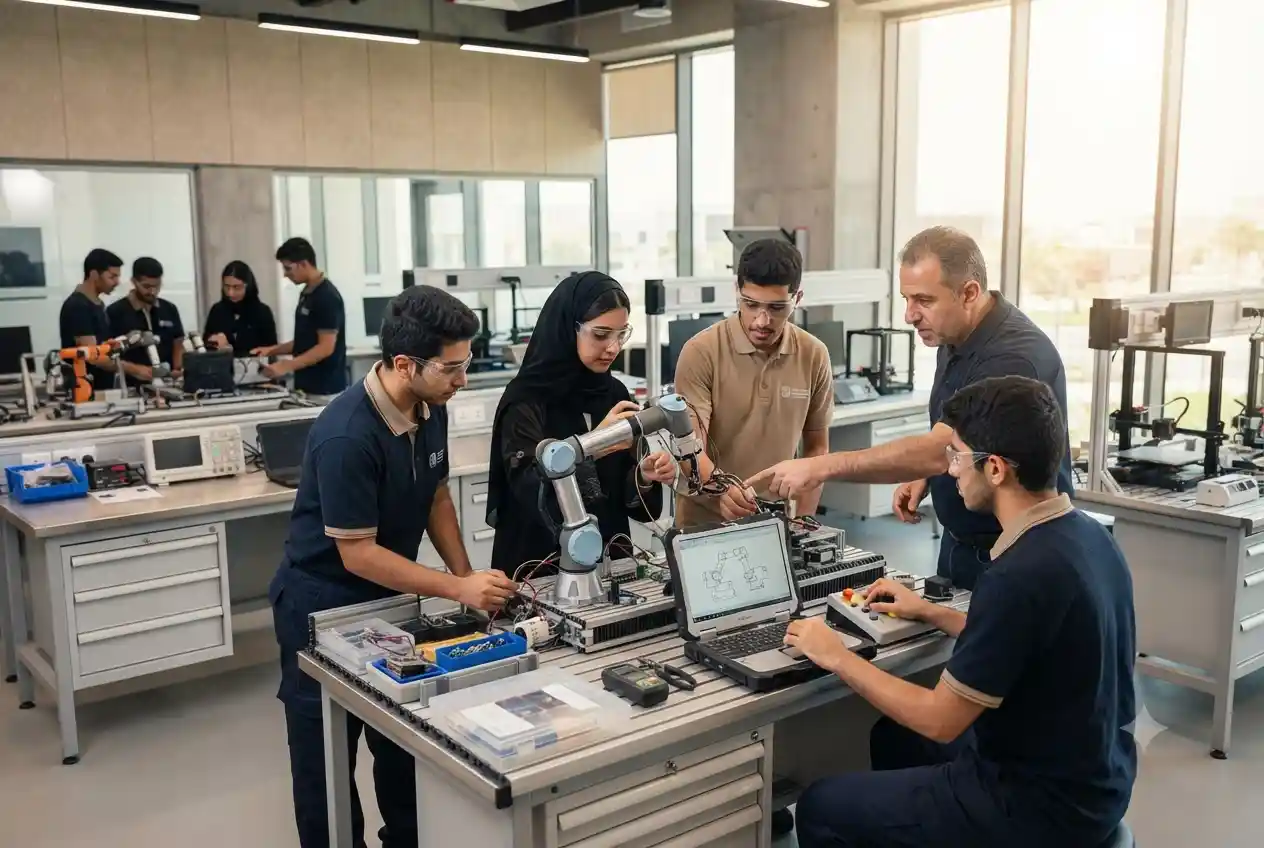
Robotics provides an example of how several STEM disciplines can come together. Students may need mathematics to measure distances, science to understand movement, engineering to design a structure and programming to control the final device.
The value of such projects is that students can see a direct relationship between an idea and its practical application. Instead of asking only whether an answer is correct, they may also need to consider whether a design works efficiently and how it could be improved.
The Role of Hands-On Learning
Technology alone does not create a strong STEM programme. Practical learning remains essential because students need opportunities to apply concepts outside textbooks and presentations.
A well-designed STEM activity might involve creating a bridge from limited materials, analysing environmental conditions, developing a simple automated system or investigating the mathematics behind a real-world structure. The teacher can guide students through planning, testing, evaluation and revision.
This process also teaches students that unsuccessful results are part of learning. When a prototype does not work, students can investigate what happened, identify weaknesses and modify the design. Such activities encourage a mindset based on experimentation and improvement rather than simply finding the first possible answer.
Educational Timers and Classroom Technology
Small digital tools can also make a difference in technology-supported learning. An educational timer, for example, can help teachers organise short experiments, group activities, quizzes or project stages.
A visible timer can give students a clear understanding of how much time remains for a task. In a STEM classroom, this can be useful when students move through multiple stages such as planning, building, testing and presenting. The objective is not to rush students but to create a structured workflow.
Teachers can also use timers for focused activities, laboratory preparation, collaborative challenges and short reflection sessions. When used consistently, simple classroom tools can help students develop time-management habits alongside academic skills.
AutoCAD and Technology-Based Learning
Computer-aided design can introduce older students to a different side of STEM education. AutoCAD and similar design applications can help learners understand how digital drawings and technical designs are developed in fields connected to architecture, engineering and manufacturing.
Students and educators interested in an AutoCAD educational version should check the current eligibility requirements directly with Autodesk because education access is subject to specific conditions. Autodesk states that eligible students and educators can receive educational access to its software, with verification and renewal requirements applying to the programme.
Autodesk Education provides the current information about eligibility, available software and educational access.
Schools should also distinguish educational access from commercial use. Educational licences are intended for qualifying learning, teaching or research purposes, so students should review the applicable terms before using education software for professional work.
What Parents Should Look For in STEM Education Dubai
Parents comparing STEM opportunities should look beyond labels. A programme described as STEM may differ considerably from another programme in terms of curriculum, teaching approach, facilities and practical activities.
1. A Balanced Curriculum
Strong STEM learning should include meaningful connections between science, technology, engineering and mathematics. Parents can ask how these subjects are integrated and whether students regularly work on interdisciplinary projects.
2. Practical Activities
Look for evidence that students actually build, test, investigate and create. Practical work can provide a useful indication of whether technology is being used as a learning tool rather than simply as classroom decoration.
3. Qualified Teachers
Technology is most effective when teachers understand both the subject and the educational purpose behind the tools they use. Ask about teacher expertise, professional development and how projects are assessed.
4. Appropriate Technology
More technology does not automatically mean better education. Schools should choose tools according to students’ ages, learning objectives and curriculum requirements. The right software or equipment should make a concept easier to understand or provide a useful opportunity for application.
5. Problem-Solving Opportunities
Students should have opportunities to make decisions rather than simply follow instructions. Open-ended challenges can encourage creativity, reasoning and independent thinking.
STEM Education and Future Skills
One of the strongest arguments for STEM education is its connection to transferable skills. Students may eventually pursue careers in engineering, information technology, medicine, architecture, research, data analysis or other fields, but the underlying skills can also benefit learners outside traditionally technical careers.
Learning how to investigate a problem, interpret evidence, work with others and test possible solutions can support many areas of study. STEM activities can therefore be valuable even when a student does not ultimately choose a STEM-related profession.
The UAE’s education system also provides different academic and applied pathways. Students can move toward more specialised scientific, advanced or professional learning depending on their interests and performance. This makes early exposure to practical learning particularly useful when students are beginning to understand their academic strengths.
Challenges of STEM Learning
STEM education also has challenges. Equipment, software, teacher training and dedicated learning spaces can require investment. Schools must also make sure technology remains accessible and does not create unnecessary barriers between students.
Another challenge is maintaining the balance between digital and physical learning. Students need opportunities to work with teachers and classmates, discuss ideas, handle materials and communicate their reasoning. Technology should strengthen these experiences rather than eliminate them.
Assessment can also be more complicated when students work on open-ended projects. A strong assessment system should consider not only the final product but also research, reasoning, teamwork, testing and the student’s ability to explain decisions.
How Dubai Schools Can Build Stronger STEM Experiences
A successful STEM programme does not necessarily need to begin with expensive equipment. Schools can start with curriculum-based projects that use readily available materials and gradually introduce more advanced technologies as teachers and students gain experience.
Schools can also connect STEM activities with local themes. Projects involving sustainable buildings, transportation, water management, renewable energy, robotics or urban design can help students understand how classroom concepts relate to issues affecting modern cities.
Partnerships with universities, research organisations and technology-focused institutions can provide additional opportunities for students to see how STEM knowledge is used beyond school. Competitions, exhibitions and project showcases can also give students a reason to communicate and refine their work.
Key Points to Remember
STEM education Dubai offers students an opportunity to connect academic knowledge with practical problem-solving and technology. Its greatest value comes not from using the newest device or software, but from creating learning experiences where students can investigate questions, test ideas and develop solutions.
For parents, the best approach is to evaluate the quality of the learning experience rather than focusing only on the presence of a STEM label. A strong programme should combine capable teachers, meaningful projects, appropriate technology and opportunities for students to think independently.
As Dubai and the wider UAE continue to invest in science, technology and innovation, students who develop curiosity, analytical thinking and practical problem-solving skills can build a strong foundation for further education and a wide range of future opportunities.